Labels

Tuesday, January 27, 2015

Remember This Thing When You're Buying a Bike

A bike can be a very good asset when it is got for all the right reasons. Apart from making a very good exercise tool, it can offer a simple means of transport to run errands or explore the surroundings. The market however has plenty of options when it comes to bikes in that it can be a little challenging for beginners to find and buy a bike they will grow to love. If you are among those wishing to buy a new bike, below are some of the most important things you want to remember to be a success in choosing the best bike.


1. Budget
This is something every purchase needs to act as a guide towards quality, but at the same time an item you can comfortably afford. With so many bike brands and types, a budget will come in handy when making the final selection. When creating your bike budget, consider any extra costs you might incur. While there are bikes that can come complete with helmets, most require you to buy the helmet, apparel and gloves separately. Staying safe while riding your bike is important and so you might also consider purchasing glasses, shoes and pedals to match your riding needs. Lights tire levers, track pump and puncture repair kits can also be included in the budget in case they don't come packaged with the bike. These are all things you need to include in the bike budget so you are sure of what you can afford and what can wait depending on your individual needs and preferences.


2. Maintenance
This is very important if at all, your bike is to remain in tip top shape serving all your needs over the days. The bike type and brand can determine the maintenance it requires. Luckily, you can handle most of the issues yourself, but it helps to consider professional help and how possible it will be for you to keep up with the demands your bike comes with. You can however find low maintenance bikes to keep worries off your back.


3. Where to buy 
Local bike shops can make very good places to buy your bike. You, however also have the online options of comparing all options before making the final decision. When choosing a shop or outlet, take into consideration after sale service offers and warranties or guarantees you stand to enjoy with your bike. Staff conversant with the bikes can actually prove to be very helpful to you in making the right decision. You can do a little research on available offers from different sources so that you can choose the one you feel meets with your expectations.


4. Frame material
It is basically what makes your bike what it is making it an important consideration to make. The most common frame materials you will find include carbon, steel, alloy and aluminum. The material dictates quality, durability, weight and the price. Each however has its own pros and cons hence the need to consider them all before making the final decision.
Thanks :)
please always visit tentangautomotive.blogspot.com

Monday, January 26, 2015

CAR REPAIR


If you've ever needed to repair your car, you know that it costs a bomb no matter what the problem is. The shop guy is going to talk to you about part costs and assembly costs and you have no idea whether he is offering you the right price or the right part or even the right repairs. It pays to do a little research and find out before letting him run you down with unanticipated costs. Auto body parts are easy to find and source from online websites. These function by bringing in the cheapest parts from the cheapest places, shipping costs and overheads all factored in.

This might be the same thing the shop mechanic does, but you'll never know that for sure. The problem is that most of the time people are in a hurry to have their cars repaired and the man at the shop knows that. He knows he can coax you into buying something higher just because he says he doesn't have anything else and that it will take a few days to get it. If you search online, you are sure to find exactly what you need. Pay attention to what the mechanic says, and see if you can source the parts on your own. It'll be much cheaper if you just have to pay him for his time alone.


Here are a few good leads on where to search for these parts:
— auto-body-parts.com - This is a very useful website with thousands of parts to choose from. It is user friendly and has all the features necessary to source cheap and quality auto body parts.

—usautoparts.net - Not as reputed as the above mentioned site, but still a good place to visit. This website offers a similar interface that allows you to source parts without difficulty.

—eBay.com - Yes, as strange as it might sound, eBay is a great place to look for cheap parts. There are many sellers for auto body parts and it is always worth a look if you need a part for cheap. Be careful though, there is a chance you may get a defective product, make sure the seller is well rated and that you have a way to protect yourself.

There are many more websites to choose from, but the above have been tried and tested. There is nothing wrong with a little exploration though, that's how we find better things. The point to note here is that you do not have to listen to everything your mechanic says. He has every reason to take you for a ride. He may be honest to a fault, but the onus is on you to find the best alternatives for your car, more so if money is tight.

So take some initiative and search for yourself. You might find more than one thing that interests you, worst case scenario is that you've wasted around fifteen minutes or so. If you manage to find the best then choosing auto body parts MN or oem surplus parts from reputed dealers will help.
Thanks :)

Winter ? This Is Driving Tips For a Safe Winter


Winter driving can be scary as well as dangerous. One moment of inattention and you may find yourself in a dangerous situation. With spring a whole season away, this is a good time to review some expert tips and tricks for staying safe on the road. Here are the top ways to keep yourself, your passengers and your car safe and intact this winter.

Pay Attention

In bad weather, even the tiniest lapse of focus can send you spinning off the road. This means keeping your phone switched off while driving. It also means keeping both hands on the wheel instead of changing the radio station or digging for a map in the glove box. Avoid drinking or eating behind the wheel, especially a hot beverage. Teach kids the importance of being quiet in the car, so as not to distract the driver from the mission at hand.


Maintain a Safe Speed

Triple A reports that the majority of winter weather auto accidents are the result of excessive speed. It's difficult enough to maintain control in a winter storm or on icy roads when you're moving slowly. Excess speed can cause your tires, already lacking in traction, to lose their grip on the road altogether. A patient driver is one who arrives alive, particularly in bad weather.


Keep Your Car in Tip-Top Shape
Having your car serviced and checked regularly will prevent unexpected breakdowns but it will also allow you to drive more safely on bad roads. Keeping your tires rotated and properly inflated, for example, will provide the maximum amount of traction. Ensuring that your car's battery is in good shape means you're less likely to be stranded and unable to start the engine.


Know What to Do in an Emergency

Do you know what to do in the event of a spin or skid? There are different approaches depending on whether you have front-wheel or rear-wheel drive, but you won't have time to think about it when trouble strikes. Learn how to handle your car and practice your reactions so you'll be ready. Learn first aid and other emergency response skills too, including how to survive if you become stranded in the snow.


Pack a Safety Kit

Winter or summer, keep a fully stocked emergency kit in your car. Consumer Reports recommends including a first-aid kit, fire extinguisher, flares or battery-powered warning lights, a tire gauge, jack, lug wrench, tire sealant, jumper cables, battery charger, gloves, water, energy bars, basic tools and warm blankets.

Have Body Repairs Done Promptly
Even if you practice every safety measure and observe all the common-sense tips in the world, emergencies can still happen. If you follow these basic tips, you and your passengers should come through safe and intact. Unfortunately your vehicle may not be so fortunate. If your car takes a beating at the hands of bad winter roads, it's important to have body damage repaired as quickly as possible. Left untouched, dents and paint scratches have no protection from roadway moisture and salt. Rust will quickly set it and even small areas of damage can become significant, requiring more expensive repairs later and even reducing your car's value. Don't wait for springtime to have your winter auto body damage repaired.

Thanks :)

CARA MEMATIKAN LAMPU INDIKATOR T-BELT PADA TOYOTA HIACE

Toyota HIACE

Langkah dan cara mematikan lampu peringatan timing belt atau cara reset lampu indikator T-BELT yang terdapat pada mobil TOYOTA bermesin 2KD-FTV termasuk kijang Innova diesel atau Toyota HIACE Commuter d4d common rail diesel.

Penyebab Lampu Indikator T-BELT Menyala
Kenapa lampu indikator T-BELT menyala? Lampu peringatan T-BELT akan menyala terus apabila kilometer tempuh untuk penggantian timing belt sudah tercapai, dari pabrikan km tempuh penggantian timing belt berada dikelipatan 150.000 km. Kalau lampu T-BELT menyala artinya timing belt harus diganti untuk menghindari timing belt putus karena telat diganti. 

Cara reset lampu peringatan T-Belt atau lampu indikator T-BELT
Apakah sesudah mengganti timing belt almpu indikator T-Belt akan mati dengan sendirinya? Setelah melakukan penggantian timing belt, lampu indikator T-Belt perlu direset ulang agar lampu timing belt menyala kembali jika kilometer tempuh penggantian timing belt berikutnya sudah tercapai.

Berikut adalah prosedur atau langkah dan cara untuk mereset kombinasi meter atau lampu indikator T-BELT:

1. Tekan dan lepas tombol trip meter atau Trip/ODO agar tampilan pada display berubah ke ODO dan angka dibelakang ODO adalah kilometer tempuh.
2. Putar kunci kontak ke posisi OFF, jika menggunakan turbo timer, matikan juga turbo timernya.
3. Tekan dan tahan tombol Trip/ODO dan putar kunci kontak ON.
4. Tekan terus tombol Trip/ODO lebih dari 5 detik dari saat kunci kontak ON.
5. Lepas tombol dan kemudian tekan sekali lagi.
6. Lepas tombol, pada langkah ini akan muncul angka 15 yang artinya 15 kali 10.000 km atau 150.000 km, angka 15 default setting dari pabrikan.
7. Tekan dan lepas tombol untuk memilih berapa ribu kilometer lagi lampu indikator T-BELT akan menyala lagi, angka bisa dirubah dari 1 hingga 20. Contoh, jika dipilih 8 artinya 80.000 km lagi lampu indikator T-BELT akan menyala lagi.
8. Setelah memilih angka yang dikehendaki, tekan dan tahan tombol selama 5 detik atau lebih agar tampilan display berubah ke ODO.
9. Ketika tampilan display Trip/ODO kembali ke mode ODO dan lampu peringatan T-BELT akan mati.

SEMOGA BERMANFAAT :)


Saturday, January 24, 2015

HOW TO TAKE CARE OF YOUR CAR

1. Ensure you and the car are insured with at least liability insurance so if you crash into another car, or something, or someone, that the repairs, and or medical bills will be covered by your insurance. Keep a copy of the current insurance summary in the car in a safe place so it is easy to find but won't get tossed out when you clean up, vacuum, and de-trash your car. 
  • Keep in mind that if you crash into the nice car that belongs to someone else it could cost over $50,000 to fix or replace the car. Make sure you have enough coverage.
2. Ensure you have a copy of the current vehicle registration papers in the car.
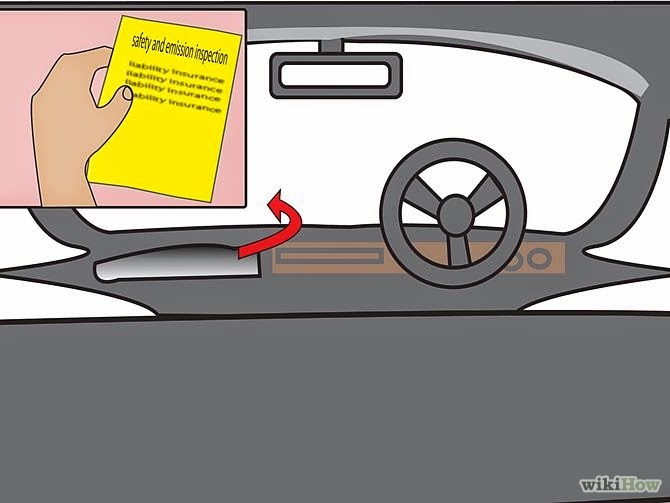
3. Ensure you have the current safety and emissions inspection documents.
4. You may want to keep the maintenance receipts in the car as well. Some people keep these in another location but this is a problem when you are at the shop, or home for the weekend. You may wish you had them in the car if someone asks when you last rotated the tires, changed the oil or transmission fluid, or flushed the radiator. Keep these receipts in the car.


5. Learn how to check the pressure in all of the tires and keep a tire pressure gauge in the car so you can check it at least monthly. Under inflated tires cause many accidents. An under inflated tire can be torn off the rim when cornering hard causing a serious crash. 
6. Remember that the oil in the engine needs to be changed regularly. Check the owners manual for guidance. Many cars need it changed every 3,000 miles (4,800 km).

7. Air filters should also be replaced periodically. Dirty oil and dirty air filters will allow dirt into the engine and scar the inside of the engine making wear out much faster and cause early and very expensive engine failure.

8. Rotate your tires every time you change the oil. This means having the wheels taken off and put back on in different locations such as moving the front tires to the back and vice versa. This helps the tires wear more evenly and last sometimes twice as long.


9. Check the pressure in the spare tire every month along with all of the other tires. Seasonal temperature swings can change the pressure in tires even if there is no leak.


10. Your brakes should be visually inspected at least once every year. Brake shoes eventually wear out just like the soles of your walking shoes. When they wear all the way through it can cause damage to the brake rotor that can be expensive to fix. Even though they stop the car effectively the shoes could be very thin and start damaging the brakes any time so check them visually when rotating your tires.
11. Learn how to check the vital fluids in your own car for your own safety. These are easy to check on most cars by opening the engine compartment. 1. Oil, 2. Coolant/Anti-freeze 3. Transmission fluid, 4. Brake Fluid, 5. Windshield wiper fluid. If they are low they should be topped off. If they keep getting low you might have a leak. Check your parking spot for drips.

12. Learn to change a flat tire. Learn how to use the jack and lug wrench that is in your car and practice jacking up your car and changing a tire in your driveway so you will know what to do if you get a flat.

13. In case of emergency keep a few items in a duffel bag in your car. Think about what you might need or want if your car broke down or got smashed and you had to stand outside for 3 hours waiting for help. What if you had to walk home in the heat or in a storm. Suggested items include:
  • 2 liters (0.5 US gal) of drinking water
  • First Aid kit
  • Working Flashlight
  • Warm jacket
  • Rain poncho
  • 6 X 8 foot tarp
  • 50 feet (15.2 m) of thin rope (parachute cord is ideal)
  • $30 cash in ones and fives.
  • If you live in a cold climate you may want to add an extra bag in the winter months that contains:
    • An extra warm winter coat
    • Warm winter gloves
    • Extra pants or thermals
    • Extra socks (wool)
    • Winter boots
      • These items could be used items from a garage sale or thrift store.

14. Learn how to wash your car. Never wipe off a dry car, it will scratch the paint.

15. If you live in a wet or snowy climate you may find it helpful to throw an old towel on the floor of your car to soak up slush and mud from your shoes. Just throw it into the washer once in a while. Be careful to keep it away from the brake, clutch and gas pedals.

16. Obtain a small booklet of sheet protectors to keep a few very important documents safe in your car. Label the outside with the make and model of your car so if it finds its way into the house it is obvious that it needs to be put back into the car. In this booklet of sheet protectors insert the following documents:
  • Insurance summary
  • Registration papers (Write the expiration date in your planner)
  • Safety and Emissions inspection papers
  • Receipts from repairs and maintenance

17. Keep this thin book tucked between the passenger seat and the center console for easy access.
THANKS..
Source : wikihow.com


10 Tips Survive In Your Car In The Blizzard


While Florida residents bemoan gas prices, northerners are facing some serious troubles this season. Every winter, some families are stuck in blizzards in the northern states. It can happen more easily than you think. You head out on your way home, you swerve to avoid a deer, and your car lands in a small ditch leaving you stuck. You check your phone, and you’ve got 10% battery and no signal. What now? Always prepare for winter driving by having the following things in mind. 

How to prepare:

Get gas frequently. Drive with three-quarters of gas in the tank in the cold months. In an emergency, you’ll need to have as much gasoline as possible to heat your vehicle. Don’t try to save money by running the tank down low.

Pack blankets. You’ll need one wool or fleece blanket per passenger in the car. Extra socks are good too. Keep these in the car at all times.

Make sure you have emergency food. Dried fruits and beef jerky are great. Clif bars and other non-perishable yet non-canned items are ideal too. Keep them in a hard cooler so that they do not freeze.

Stay hydrated. Keep bottled water inside your hard cooler as well. You will not be able to drive around with enough bottled water for each passenger in the case of a long wait in a blizzard, so keep a container that you could melt snow in to get additional drinking water.


Be visible. Keep flares in your car. Especially if your cell phone can not get signal, you’ll need these to get attention and make yourself visible. Hang any bright clothing you have outside the car.

Keep your seat belt on. Other drivers in winter conditions might run off the road and hit you.

Crack your back window slightly. Oftentimes the tail pipe is obstructed by snow, which can cause deadly carbon monoxide fumes to get into the vehicle when the engine is running. Be careful with your air supply.

Turn on your engine for 10 – 15 minutes each hour. This will let you melt snow for water and warm up. It will also conserve the life of the battery.

Stay in your vehicle. Only leave your vehicle if 1) You know exactly where you are and you are sure you could walk to safety easily or 2) It is your last resort and you will not survive if you stay in your vehicle.

Carry hand warmers. These are an excellent alternative to lighting a fire—which is very hard to do in a vehicle. For a 72 hour period, keep at least 15 hand warmers per person.
Careful forethought can avoid terrible disasters in norther states. For the rest of us in the warmer states, let’s be thankful our biggest complaints driving this season are the gas prices and the occasional chill in the air.
Thanks.
Please Alway Visit Our Site at tentangautomotive.blogspot.com

Sunday, January 11, 2015

How To Find Affordable Motorcycles for Sale

Before purchasing motorcycles for sale, it is best to shop and compare prices. Compare deals offered by both a dealership and a direct seller.

Looking to get a discount on motorcycles for sale? Are you a first time buyer? If you are an enthusiast, you likely know the exact model that you are looking for. If you are working within a certain budget, you could consider getting a used one. Before making a decision on what to do, the first step is to find the right dealership.

Shopping for Either a New or Used Bike
Shopping for a motorcycle is no different from shopping for an automobile. It is the same process: you have to do your research and find a dealership local to your area that carries a large inventory of new and used bikes you can choose from. Dealerships will usually refurbish their used bikes before putting it up for sale. So you may not have as many mechanical issues as you would from a private seller. If you buy a used motorcycle from a private seller, it would certainly be less expensive, especially if the person has had it for a long time. However, it won't be covered by any warranties for your protection. Moreover, you will definitely have to ride the bike to test how the motor runs. Check for any defects and most importantly, make sure it has a clear title.

Buying From A Private Seller.
Buying from a bike owner is another story. An owner might be selling to get rid of it quickly. As you may expect, you have to examine the bike. You must ensure that the paint is good. The seats shouldn't be torn or ripped. There shouldn't be any evident signs of rust. Make sure that you check underneath for any leaks. Check the tires for cracks or signs of wear and tear. Examine the brakes. A quarter of an inch of the brake pad should be left and there shouldn't be any cracks. You should be concerned if you hear squealing in the brakes of the brake pads are sticking. If you notice that the bike has been in a collision or badly treated with scratches or dents, you should move on. You don't want to overlook anything mechanical either. Therefore, you should test ride it, whether you are buying from an owner or a dealership.


Things to Consider
Before making that purchase, it is best to know what type of motorbike you want. From a wide inventory of motorcycles, you can easily determine this. Price will play a part in your decision to purchase one of the motorcycles for sale. You should also think about what you will be using it for. Is it just going to be used occasionally or on a daily basis? For frequent use, you will need something durable, which may be more expensive. If you plan to go on long trips and ride for extended periods of time, you might want to consider a touring bike. This will better serve those needs.
It can be quite an exciting process to find the bike that you love. Try to have fun and not let the experience stress you out. It might be best to look at motorcycles for sale from a dealership instead of an owner since it would require more research. With a dealership, you will have access to a new motorbike with the full warranty and add-on accessories. You will receive ongoing service as well. Your ideal bike is out there. With just a little research, you will find the one that suits you.
Thanks For Visit http://tentangautomotive.blogspot.com/